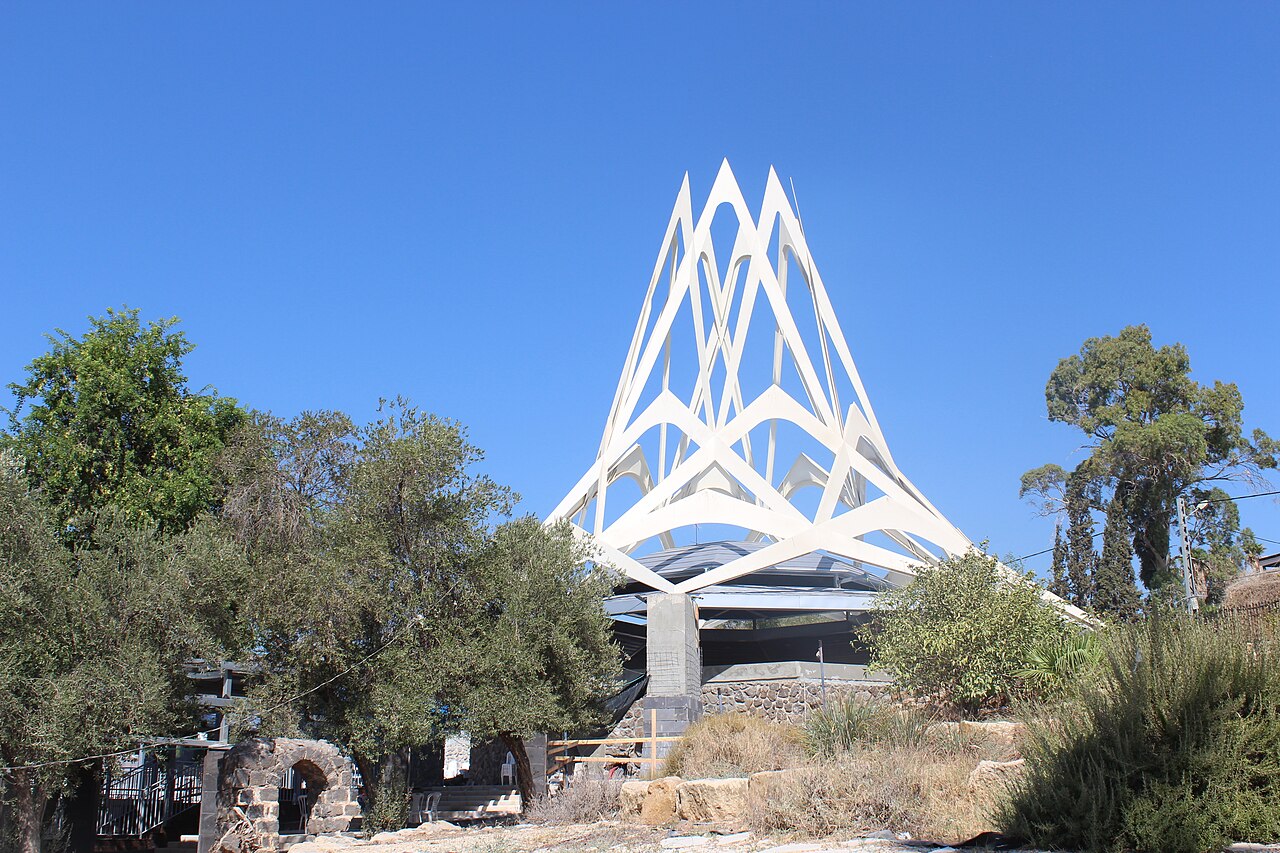

The story of this place
Maimonides lived much of his life outside the land of Israel and died in Egypt. The belief that his remains were brought to Tiberias belongs to burial tradition, and alternative accounts exist. The pilgrimage site is therefore both a place of devotion and an opportunity to introduce his work in Jewish law, philosophy and medicine.
What to notice
The memorial's presentation should be read alongside a short explanation of the person it honours. Visitors unfamiliar with the Rambam gain more from that context than from a rapid photograph of the structure. The surrounding revered burials also reflect Tiberias' wider place in Jewish memory.
Planning a visit
Keep prayer areas quiet and distinguish a heritage explanation from religious participation. Pair the visit with another Tiberias site rather than assuming all the city's traditional tombs are adjacent. If a particular grave or service is important, confirm its location and arrangements in advance.
Continue exploring
These places offer a geographical or historical connection. They are reading suggestions, not a pre-checked one-day route.
Sources & further reading
Editorial review: 20 November 2026. This is a researched introduction, not a report of an on-site inspection. Historical sources do not confirm current opening or access; check with the responsible operator before travelling.