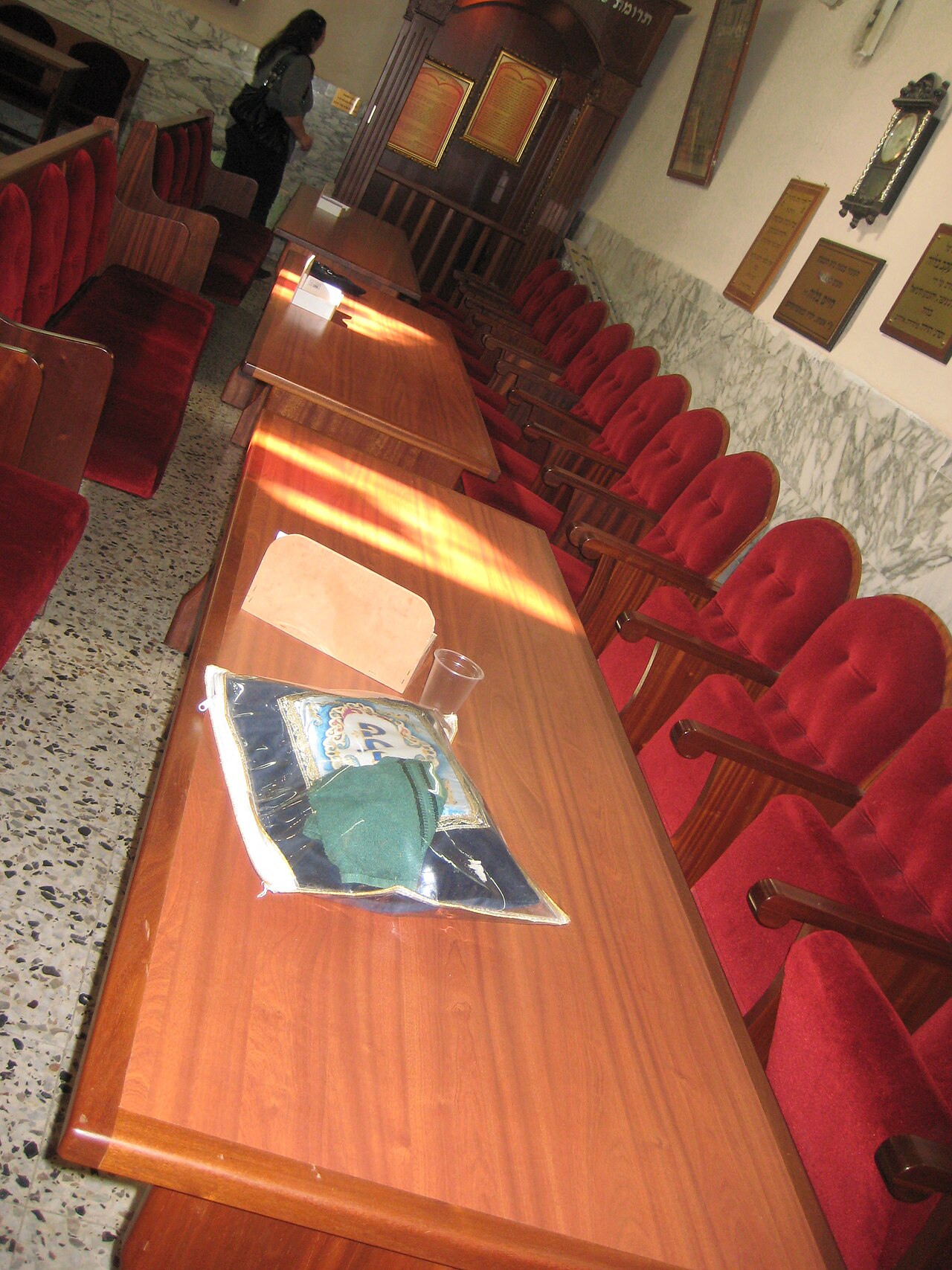

The story of this place
The name Abulafia recalls Rabbi Hayyim Abulafia and his role in re-establishing the community. The building belongs to a cluster of historic synagogues, not a single ancient complex preserved from the Talmudic period. Earthquakes, rebuilding and changing urban life all form part of the story.
What to notice
The relationship between the synagogue and the older waterfront streets is worth noticing. Ask how the prayer space developed and which features are later. This is a useful counterpoint to nearby traditional tombs: it directs attention towards the institutions of a living community rather than only its remembered sages.
Planning a visit
Confirm access with the congregation and avoid arriving with a large group during prayer without prior agreement. The old-city setting makes a short walking visit possible, but check the actual approach for steps and any mobility needs. Pair it with a Tiberias shrine or Hamat Tiberias.
Continue exploring
These places offer a geographical or historical connection. They are reading suggestions, not a pre-checked one-day route.
Sources & further reading
Editorial review: 20 November 2026. This is a researched introduction, not a report of an on-site inspection. Historical sources do not confirm current opening or access; check with the responsible operator before travelling.