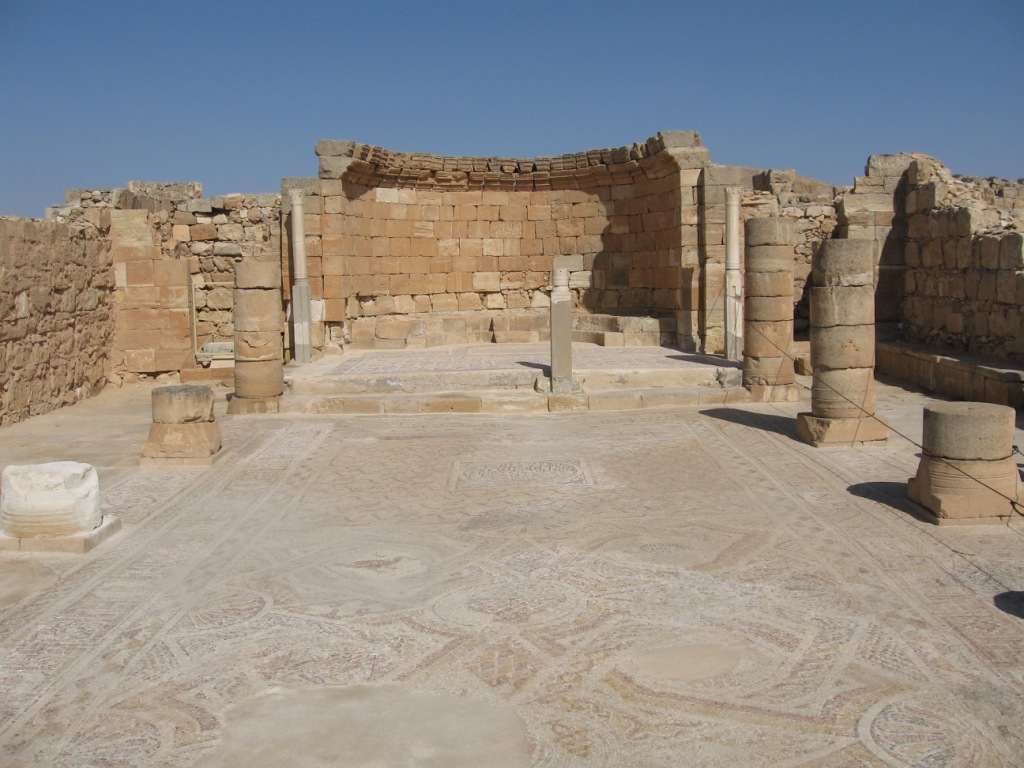


The story of this place
Known in antiquity as Mampsis, the settlement developed within Nabataean trade networks and continued into the Roman and Byzantine periods. Substantial houses, churches and water installations record changing prosperity and daily life. Its architecture provides a close view of construction techniques adapted to local materials.
What to notice
Notice how stone arches supported roofs and how rooms opened around courtyards. Church decoration belongs to a later religious landscape than the earliest trading settlement. Comparing private houses with communal buildings gives the visit a stronger focus than simply following the longest available path.
Planning a visit
Check whether scheduled events affect entry or the parts of the site available to explore. The desert setting demands practical preparation even for a relatively compact circuit. Choose Mamshit for architectural detail, then use Avdat or Shivta to compare another form of settlement rather than expecting identical experiences.
Continue exploring
These places offer a geographical or historical connection. They are reading suggestions, not a pre-checked one-day route.
Sources & further reading
Editorial review: 20 November 2026. This is a researched introduction, not a report of an on-site inspection. Historical sources do not confirm current opening or access; check with the responsible operator before travelling.