
Think of a network, not a single road
The UNESCO property brings together Haluza, Mamshit, Avdat and Shivta with associated desert infrastructure. It records connections between southern Arabian incense trading routes and the Mediterranean, and the systems that supported settlement along them. Water collection and agriculture are as important to that story as caravans. [1]
Petra is the familiar name, but it is in Jordan. Exploring the Negev offers a different part of the regional history and does not require pretending that an Israeli day excursion also includes Petra. A good visit asks what a town contributed to a wider network: accommodation, storage, cultivation, exchange, or a combination of functions.
Avdat: use the hilltop to read the setting
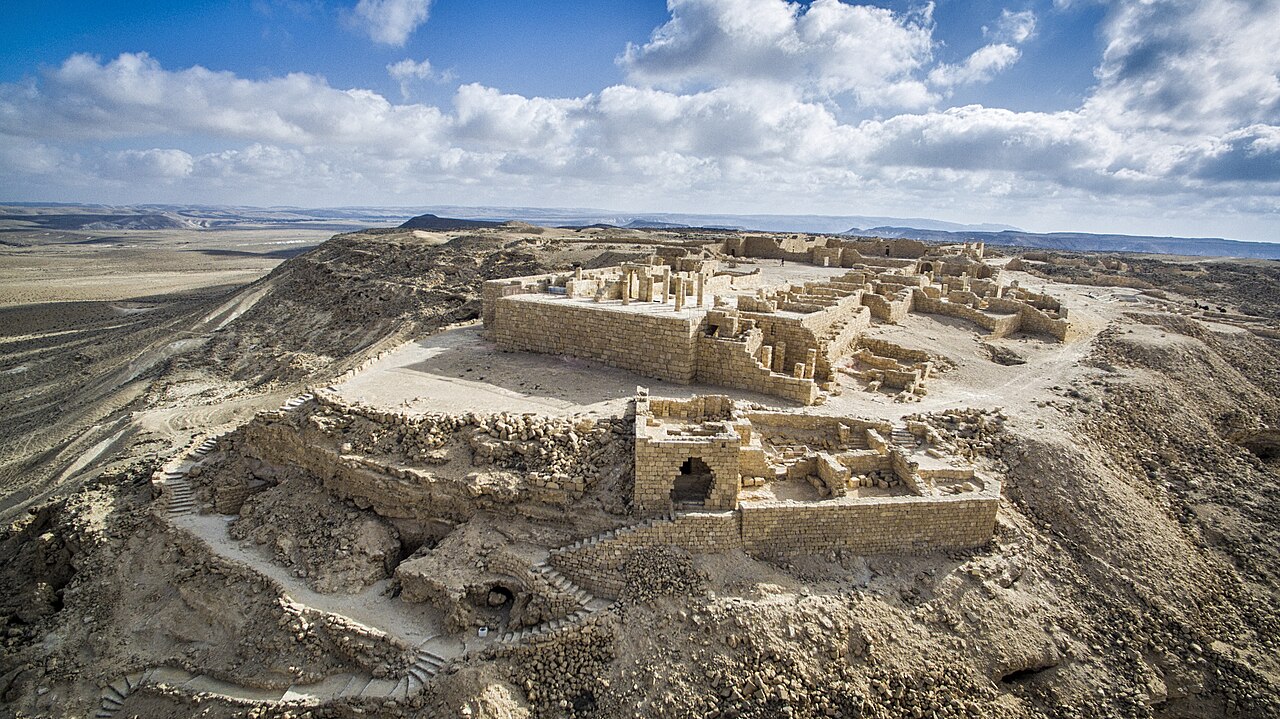
Avdat occupies a hill above the Tsin watercourse. The Nature and Parks Authority identifies remains from several periods, including a Byzantine bathhouse, a Roman burial cave and two Byzantine churches. The label ‘Nabataean city’ therefore describes only part of the site’s long life. [2]
Begin by locating the settlement within its surrounding terrain. Then choose a small number of structures to examine closely. A church and a water-related feature prompt different questions: who lived here at that time, what they valued, and how an urban community managed its daily needs. Avoid giving every ruin the same date just because it stands within one archaeological park.


Mamshit: make room for the scale of a household
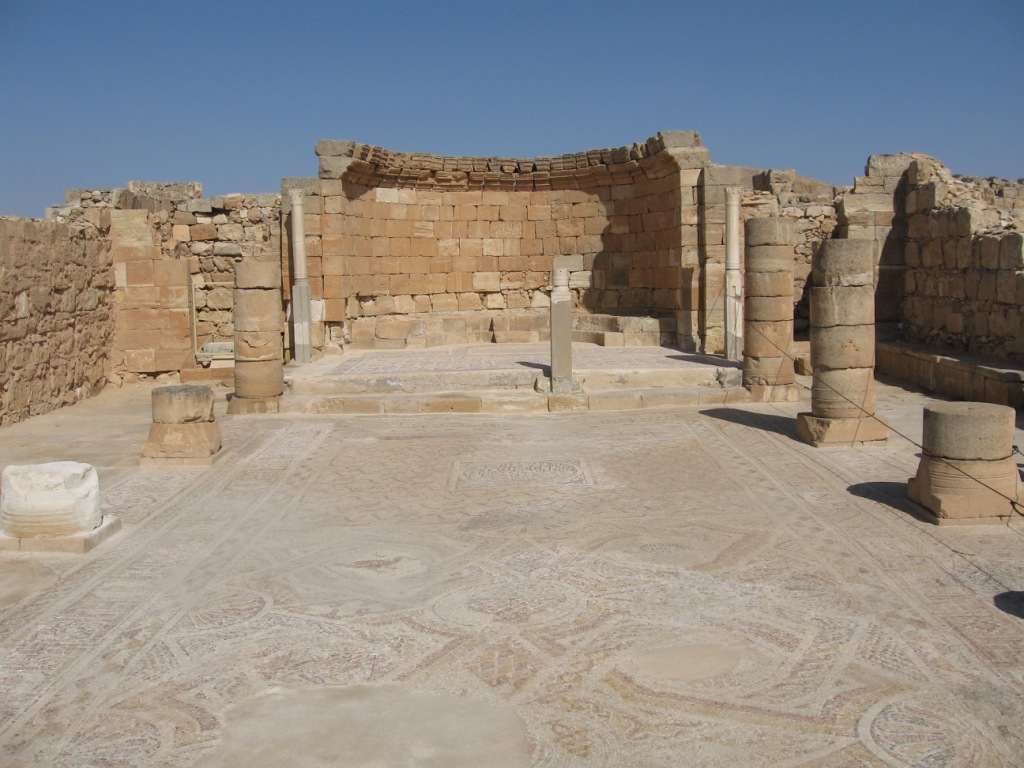
At Mamshit, the official site guide describes substantial houses, caravan inns outside the walls, churches and dams. These remains offer a more intimate way to approach desert urban life than a distant panorama alone. [3]
Choose one courtyard or room sequence and imagine the questions an archaeologist would ask: how people entered, where they gathered, and how the arrangement separated public from private activity. You do not need to invent the name of an ancient resident to make the architecture engaging. Observe the surviving fabric, then distinguish what interpretation adds.
Four UNESCO towns do not mean four stops in one day
Shivta and Haluza belong in the wider story, but they should not become compulsory ticks on a rushed itinerary. UNESCO recognition concerns the relationship between sites and landscapes; it is not a suggested one-day driving circuit. [1]
Our Shivta guide introduces a different settlement visit. For a first focused day, choose two sites with a shared question. Avdat and Mamshit work as a proposed comparison of setting, buildings and water; a specialist return visit can examine another part of the network.
Plan the day around attention, daylight and weather
A desert archaeology day is most satisfying when there is time to stop looking and start noticing. Allow a proper pause between sites, carry water and sun protection, and use suitable walking footwear. Agree a shorter alternative if heat, wind or walking needs make the full programme unsuitable.
Use the parks authority’s current notices to check access and reservations. Avdat the archaeological city and En Avdat the nature reserve are different visits; the similarity of their names should not lead to an accidental booking. The programme described here concentrates on the ancient city.
Starting from Beersheba reduces the touring day compared with a return trip from Tel Aviv or Jerusalem. If you are staying farther north, agree the total door-to-door time before adding a second park. A multi-day Negev stay can make the comparison less hurried.
What should you look for on the ground?
Bring three questions: where did water come from; what does a building’s form suggest about its use; and which historical period does the interpretation assign to it? They keep the visit grounded even when a ruin is visually modest. The point is to understand a functioning landscape, not to search for a desert version of a palace façade.
Explore this story with a guide
Our related excursions project offers Nabataean Negev: Avdat, Mamshit and the Incense-Route Story. Read the proposed route, choose your starting city and request an English-language private visit. Guiding, transport and access are confirmed individually.
Sources and further reading
- UNESCO World Heritage Centre — Incense Route: Desert Cities in the Negev. The four towns, associated infrastructure and water-management landscape.
- Israel Nature and Parks Authority — Avdat National Park. Official site interpretation, archaeological periods and visitor notices.
- Israel Nature and Parks Authority — Mamshit National Park. Official description of the settlement, buildings and visitor arrangements.
Historical sources establish the background; current opening and access arrangements must be checked with the site operator. Photographs have their own licences, recorded alongside each image and in the photo-credit register.