
The story of this place
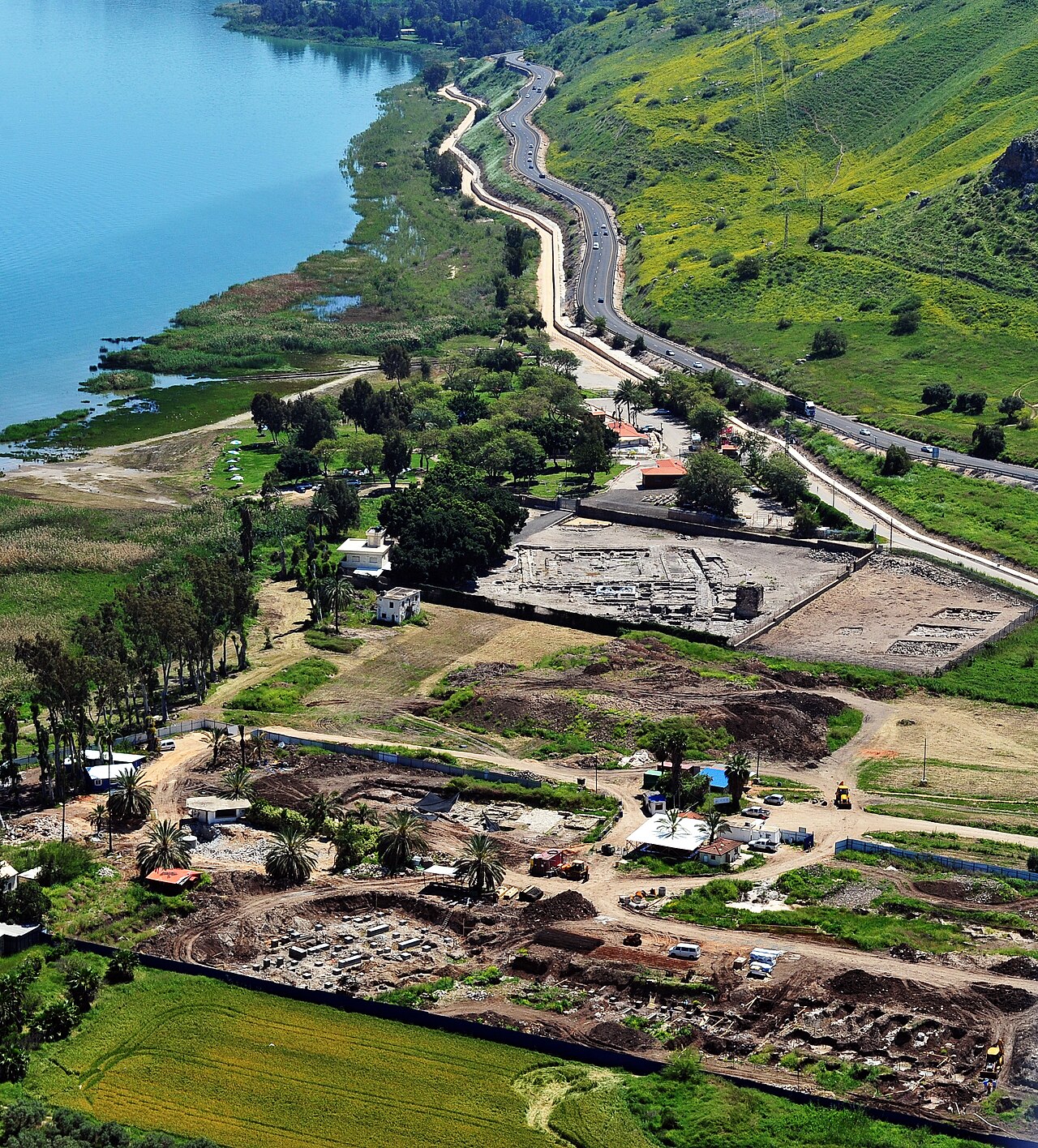
Magdala is widely associated with Mary Magdalene, but its archaeological importance extends well beyond that association. Excavation has revealed a Jewish settlement, including a first-century synagogue and the carved Magdala Stone. These remains provide evidence of community life; they do not identify every room with a person named in the Gospels.
What to notice
Give the synagogue and its context time before moving to modern devotional spaces. The carved stone raises questions about religious imagery and memory of the Temple. Distinguish archaeological interpretation from the architectural and spiritual programme of the modern centre, which responds to the site rather than belonging to its ancient fabric.
Planning a visit
Check what is included in the visit and whether a guided archaeological explanation is available. This can be a strong bridge between Jewish-heritage and Christian-pilgrimage itineraries. Avoid reducing it to a name associated with Mary Magdalene when the material remains tell a much wider story.
Continue exploring
These places offer a geographical or historical connection. They are reading suggestions, not a pre-checked one-day route.
Sources & further reading
Editorial review: 20 November 2026. This is a researched introduction, not a report of an on-site inspection. Historical sources do not confirm current opening or access; check with the responsible operator before travelling.