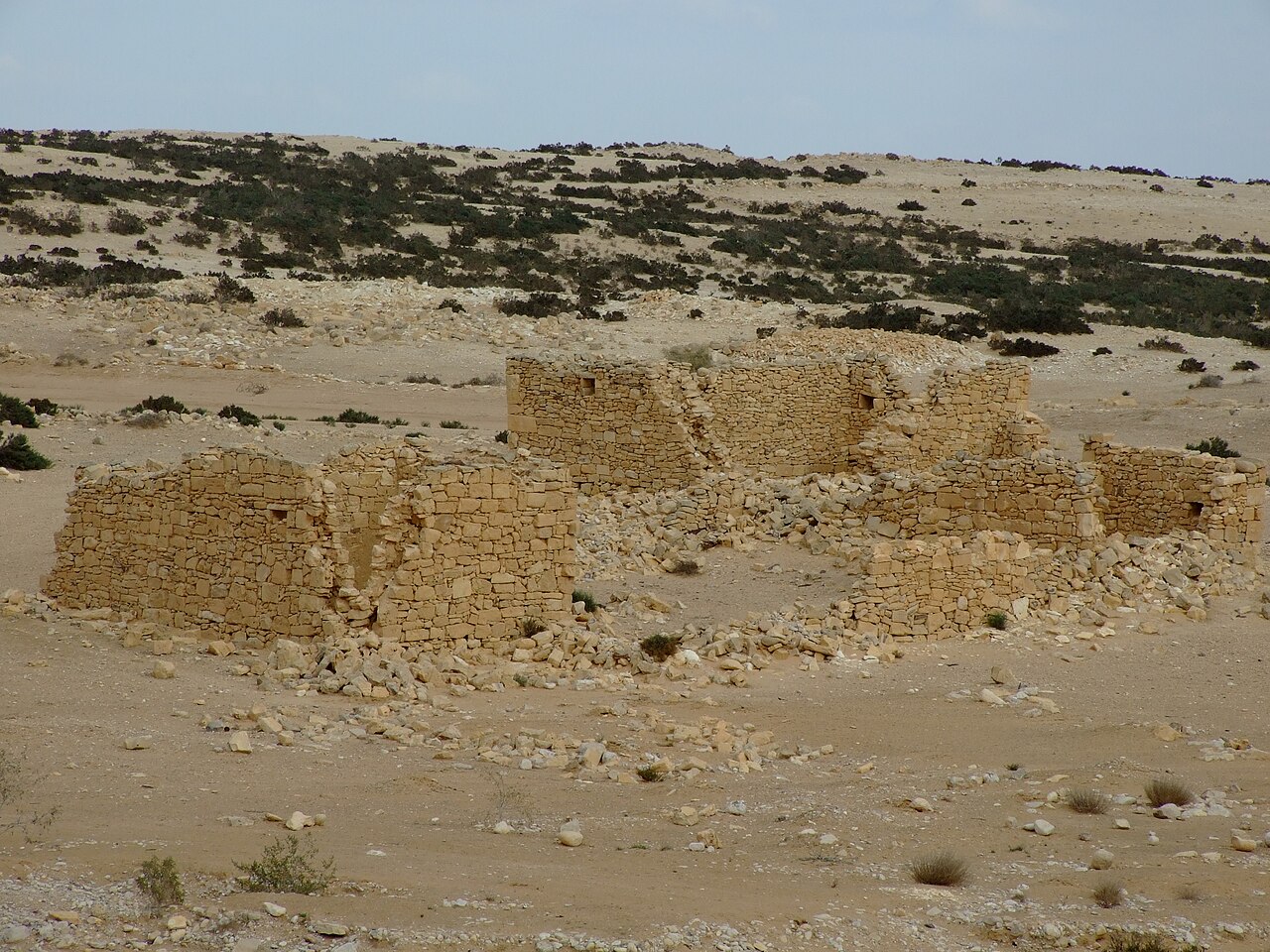

The story of this place
The settlement formed part of the network linking inland trade with Mediterranean destinations and later developed as an important Byzantine centre. Its inclusion in the UNESCO desert-cities listing recognises that wider history. The appearance of the site today reflects excavation, erosion and loss of building material as well as its ancient size.
What to notice
Read the terrain and available archaeological interpretation before looking for complete streets or restored monuments. Much of the interest lies in understanding a city whose remains require explanation. It offers a useful contrast to the more readily interpreted standing architecture at Mamshit and Shivta.
Planning a visit
Do not assume that UNESCO status guarantees staffed entrances, clear paths or extensive visitor facilities. Confirm the current approach and suitability with a knowledgeable local operator. For a first desert-archaeology visit, a better-interpreted neighbouring site may be the more satisfying main stop, with Haluza reserved for a specialist interest.
Continue exploring
These places offer a geographical or historical connection. They are reading suggestions, not a pre-checked one-day route.
Sources & further reading
Editorial review: 20 November 2026. This is a researched introduction, not a report of an on-site inspection. Historical sources do not confirm current opening or access; check with the responsible operator before travelling.