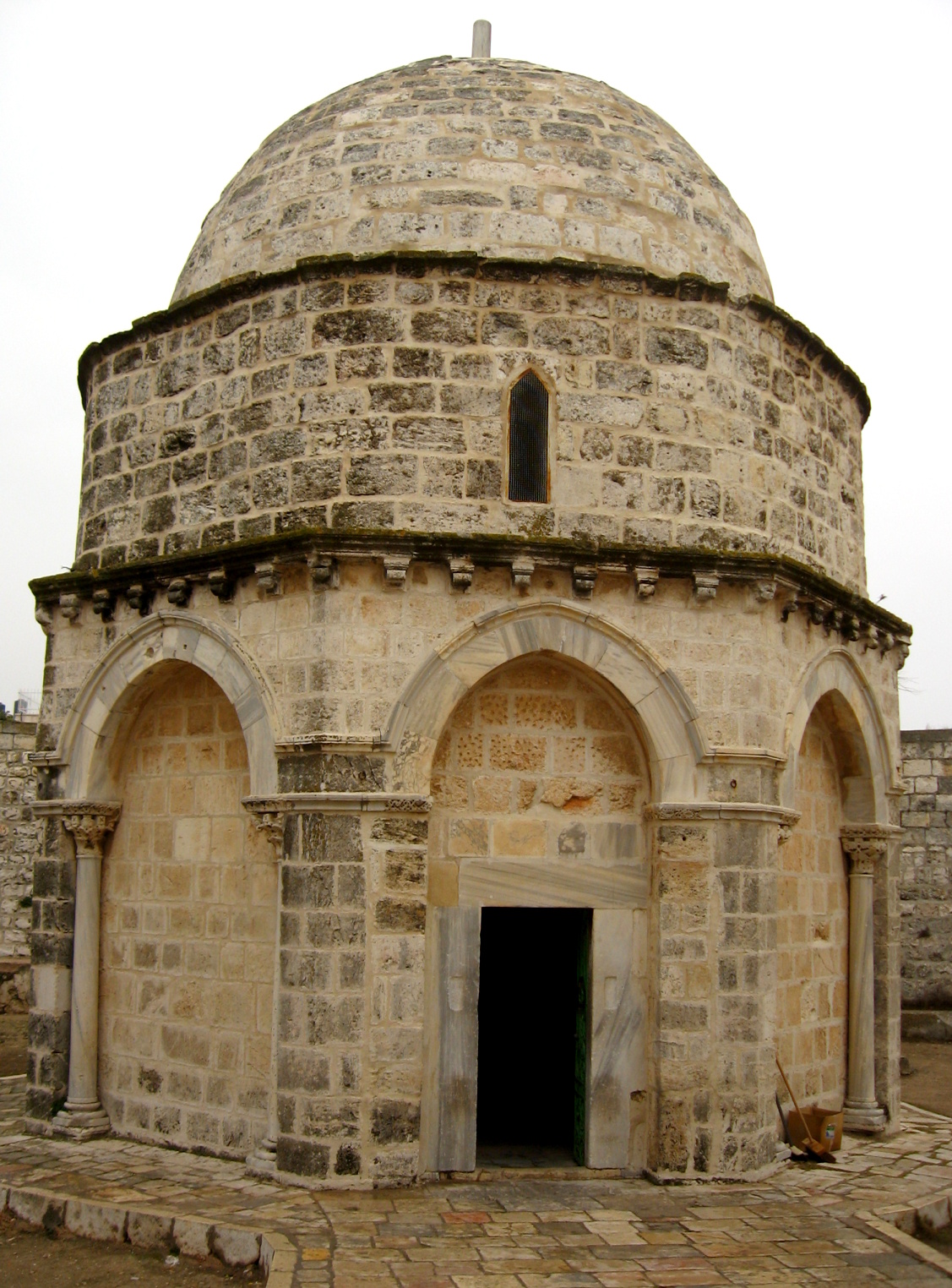

The story of this place
The shrine marks a place traditionally associated with Jesus' Ascension. Successive Christian buildings and later Islamic use explain why its architecture and management do not fit a simple church-only description. A footprint-like impression in the rock is venerated in the tradition; its significance is religious rather than proof of a historical footprint.
What to notice
The scale is intimate. Focus on the relationship between the small central structure, the stone within and the surrounding enclosure. The site's changing use is an opportunity to discuss Jerusalem's layered religious history without presenting one period as though it erased all others.
Planning a visit
Confirm current entry arrangements before arriving with a group. Be respectful of the site's custodianship and of visitors who approach it through different traditions. It pairs naturally with the Pater Noster area, but services and festival arrangements may differ from ordinary visiting access.
Continue exploring
These places offer a geographical or historical connection. They are reading suggestions, not a pre-checked one-day route.
Sources & further reading
Editorial review: 20 November 2026. This is a researched introduction, not a report of an on-site inspection. Historical sources do not confirm current opening or access; check with the responsible operator before travelling.