
Choose the approach first
Different approaches to Masada are not interchangeable addresses simply because they reach the same fortress. Check the entrance and visiting method on the park’s official site. Then agree the route and drop-off point with the transport provider.
Understand the plateau
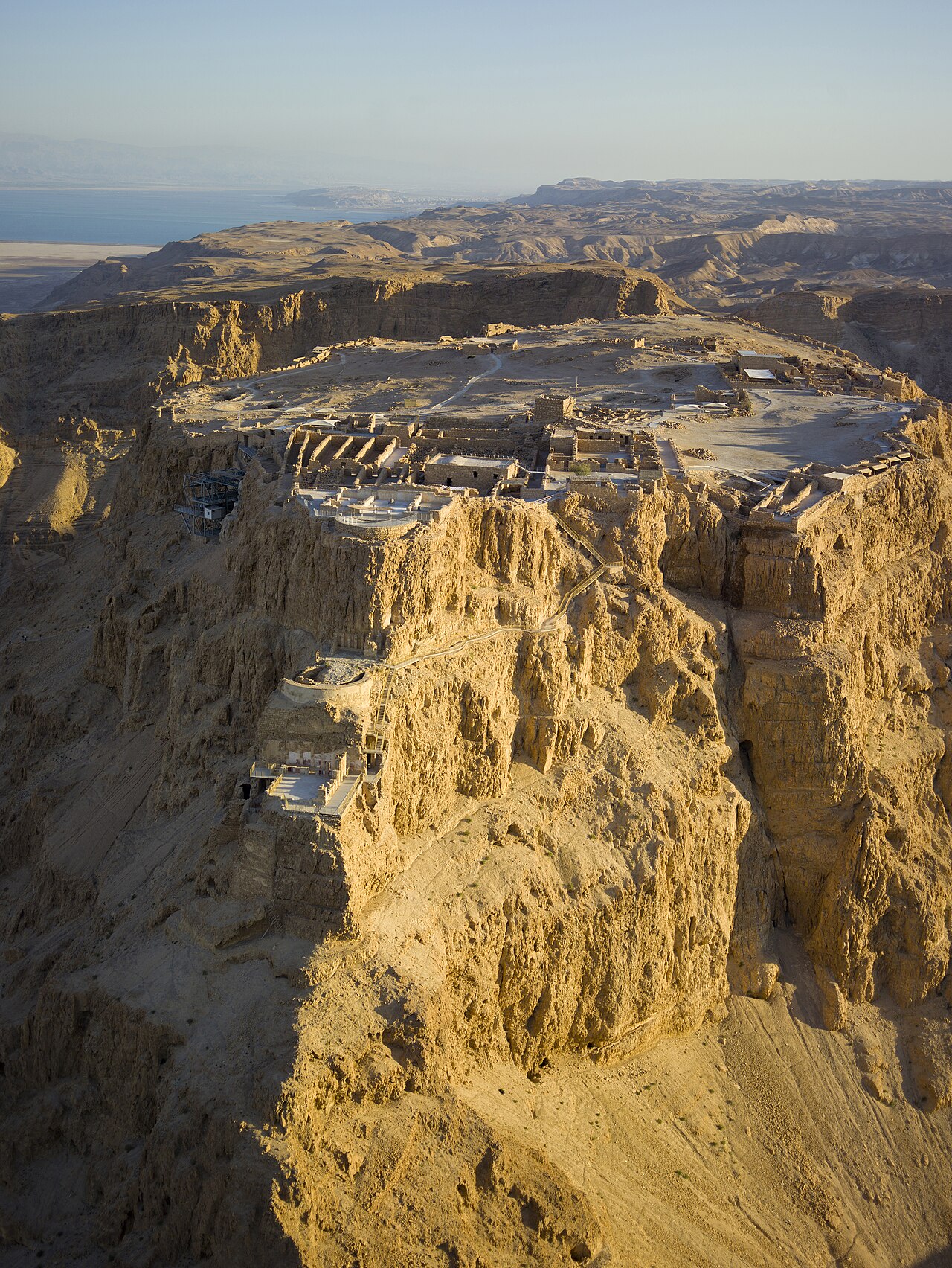
The visit becomes more meaningful when defensive structures, palace remains and everyday arrangements are connected in a single story. Choose a few key places and allow time for the wider view. If history brought you here, do not reduce the entire visit to a panorama.
Ascent and physical effort
A walking ascent and use of the cable car require different planning and depend on current operations. Check the arrangements for your date before committing to a particular method. Tell the organiser how much walking is comfortable and whether you need to reduce steps or exposure.
Add time by the Dead Sea carefully
Relaxation after the fortress can work, but choose the beach or hotel in advance. If the day already includes a long drive, a substantial nature-reserve walk may be too much. Two well-paced parts often offer more than three rushed visits.
Before departure
Confirm the park’s visitor information, entrances and chosen way up. State whether you need a return trip and how waiting will be arranged. Admission, guiding and transport should be listed explicitly in the agreed plan rather than inferred from its title.
A different way to understand the place
Masada and the Dead Sea: history and time to unwind — Art Voyage. Use the programme as a starting point and discuss language, pace and the visits that matter to you.
Getting there
Ask Camel Taxi about transport to Masada. Send the exact pickup and destination, party size and luggage. Stops, waiting and child seats need advance confirmation.
Keep exploring
Sources & visitor information
Wikipedia provides background context. Check the attraction’s own information for access on your travel date. This original planning text is not a Wikipedia article.
The story of this place
Herod transformed this isolated plateau into a fortified refuge with palaces, storerooms, baths and a carefully designed water supply. Jewish rebels later held it during the war against Rome. The familiar account of their final deaths comes principally from Josephus; archaeological evidence and that literary narrative should not be treated as identical kinds of testimony.
What to notice
Look beyond the summit walls to the Roman camps and siege ramp in the surrounding desert. On the plateau, compare the domestic ambitions of the palaces with the practical arrangements for water and food. Their contrast explains how an apparently inhospitable mountain could support an elaborate royal residence.
Planning a visit
Choose the ascent and arrival side before setting out. The eastern visitor entrance and western approach are not connected by a short road across the mountain. Walking paths, cable-car operation and heat restrictions require a current park check. Allow unhurried time on the plateau rather than treating the ascent as the whole visit.
Continue exploring
These places offer a geographical or historical connection. They are reading suggestions, not a pre-checked one-day route.
Sources & further reading
- Israel Nature and Parks Authority — site information
- UNESCO World Heritage Centre — heritage record
- Wikipedia — Masada
Editorial review: 20 November 2026. This is a researched introduction, not a report of an on-site inspection. Historical sources do not confirm current opening or access; check with the responsible operator before travelling.