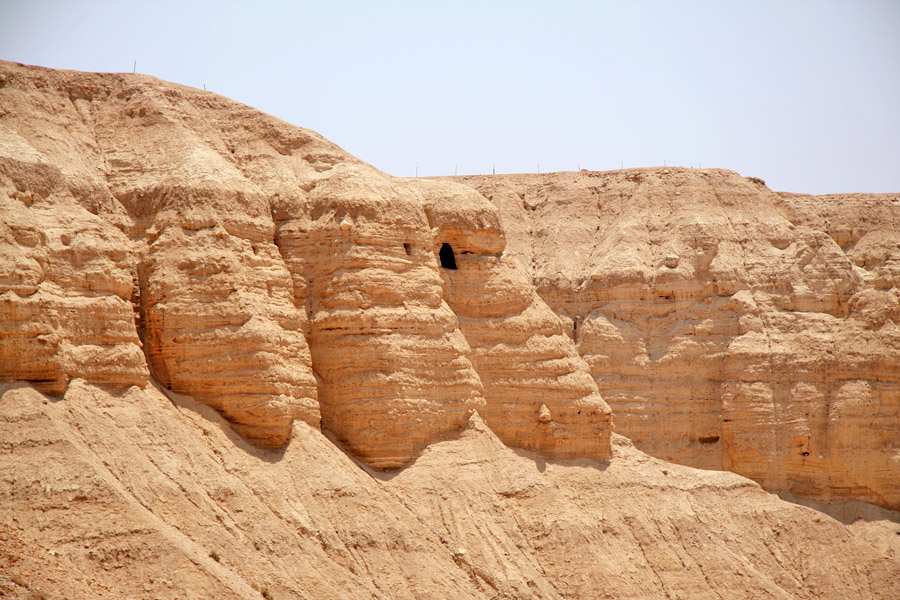

The story of this place
The settlement near the northwestern Dead Sea is closely connected in scholarship with the scrolls found in surrounding caves. Many researchers associate its inhabitants with the Essenes, while aspects of that interpretation remain debated. The excavated buildings, water installations and nearby terrain provide evidence rather than a complete biography of the community.
What to notice
Examine how water was collected and used and how the buildings were organised. Views toward caves add context without making those caves part of the visitor circuit. Avoid treating every room identification as beyond dispute or expecting original scrolls to be displayed in the ruins.
Planning a visit
Qumran is in the West Bank under Israeli administration. Check current park access and regional conditions before travelling. The exposed plateau can be demanding in hot weather. For the manuscripts themselves, consult the Israel Museum's current displays and other collection resources as a separate part of your research.
Continue exploring
These places offer a geographical or historical connection. They are reading suggestions, not a pre-checked one-day route.
Sources & further reading
Editorial review: 20 November 2026. This is a researched introduction, not a report of an on-site inspection. Historical sources do not confirm current opening or access; check with the responsible operator before travelling.