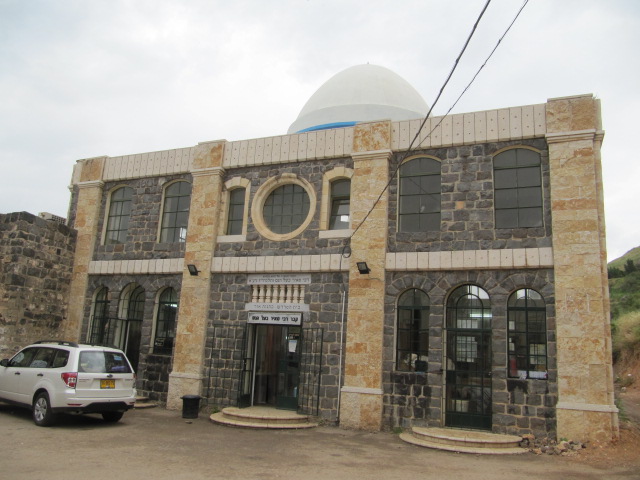

The story of this place
The title Baal HaNess expresses the devotional association with miracles. Pilgrims have visited the traditionally identified tomb for centuries, but a guide should describe those beliefs without promising healing or a particular outcome. The shrine's continuing importance is visible in prayer, family observances and the institutions around it.
What to notice
Notice how the complex functions as a religious destination rather than an archaeological display. A short introduction to Rabbi Meir helps visitors understand why the place matters. The nearby hot-spring landscape belongs to another part of Tiberias' history and should not be confused with a claim about the shrine's effects.
Planning a visit
Respect the arrangements of the prayer spaces and avoid photographing private observances without permission. Busy religious dates may change the experience considerably. Hamat Tiberias provides a useful nearby contrast between a living pilgrimage site and an excavated synagogue, with separate visiting arrangements.
Continue exploring
These places offer a geographical or historical connection. They are reading suggestions, not a pre-checked one-day route.
Sources & further reading
Editorial review: 20 November 2026. This is a researched introduction, not a report of an on-site inspection. Historical sources do not confirm current opening or access; check with the responsible operator before travelling.