
Start with the outcome, then look at the landscape
Napoleon did not conquer Acre in 1799. The city resisted the French siege during his eastern Mediterranean campaign. Research presented by the Tel Akko archaeological project examines the encounter between French forces and the Ottoman and British defenders through period maps and eyewitness accounts. [1]
This makes Acre an unusually good place to question a familiar kind of history tour: the story told only through the ambitions of the attacker. Try reversing the perspective. What did the defenders need to protect? How did a port change their options? Where does the visitor stand in relation to the landward approach and the sea?
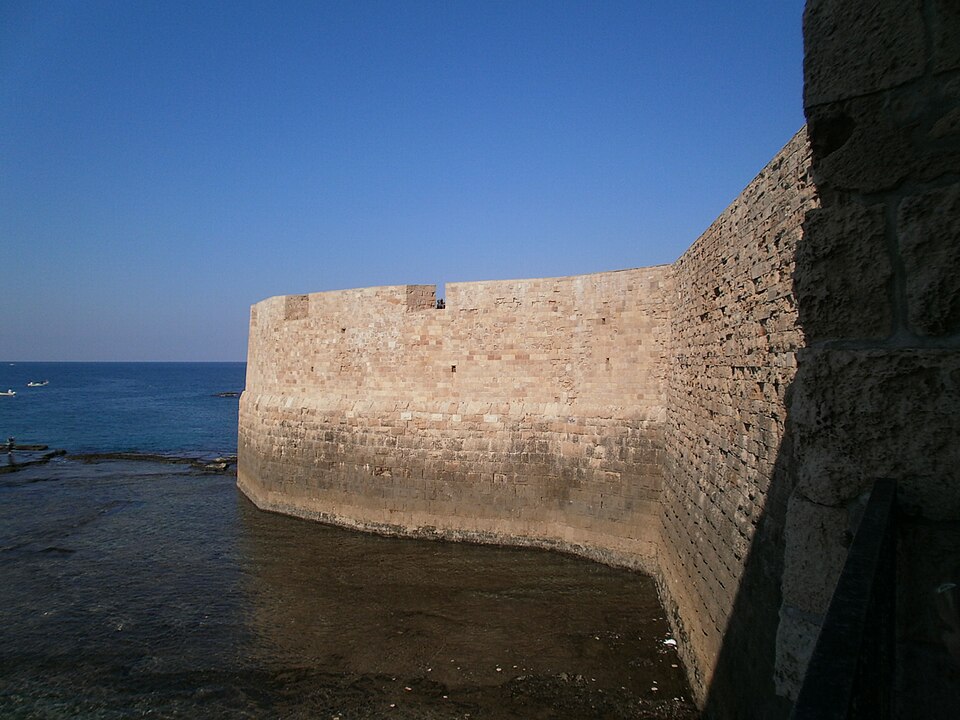
The walls you see are not a frozen picture of 1799
The official walls itinerary explains that the siege damaged Acre’s fortifications and that a stronger system followed. Work began under al-Jazzar and continued under his successors. The northern wall line visible today includes nineteenth-century construction. A photograph of these walls cannot, by itself, illustrate exactly what a soldier saw during the siege. [2]
That does not make the walk less interesting. It gives you two connected questions: how the city survived an attack, and what its rulers changed afterwards. At an accessible viewpoint, compare the relationship between wall, open ground and moat. Look at the whole defensive arrangement before concentrating on a single block of stone.

What about Napoleon’s Hill?
Tel Akko is often called Napoleon’s Hill. The archaeological project treats that association as a research problem: it compares maps and contemporary testimony to investigate the mound’s role in the siege. A popular place-name alone does not establish an exact command position or prove where Napoleon personally stood. [1]
If you add the mound to a visit, let the stop be about evidence and changing landscape. It lies outside the compact old-city circuit and needs its own time allowance. A route can explain the siege effectively without turning an uncertain personal association into its main attraction.
Do not confuse the Ottoman siege with Crusader Acre
Acre’s reputation for underground medieval buildings can make every wall feel Crusader. UNESCO’s account instead stresses the relationship between earlier remains and the Ottoman city built above and around them. The Templars and Napoleon belong to very different chapters of that long history. [3]
For the earlier chapter, read Templars and underground Acre. For 1799, put the defensive perimeter, the harbour and the Ottoman town at the centre of your attention. Comparing the two is worthwhile; collapsing them into one romantic age is not.
How to turn this history into a coherent walk
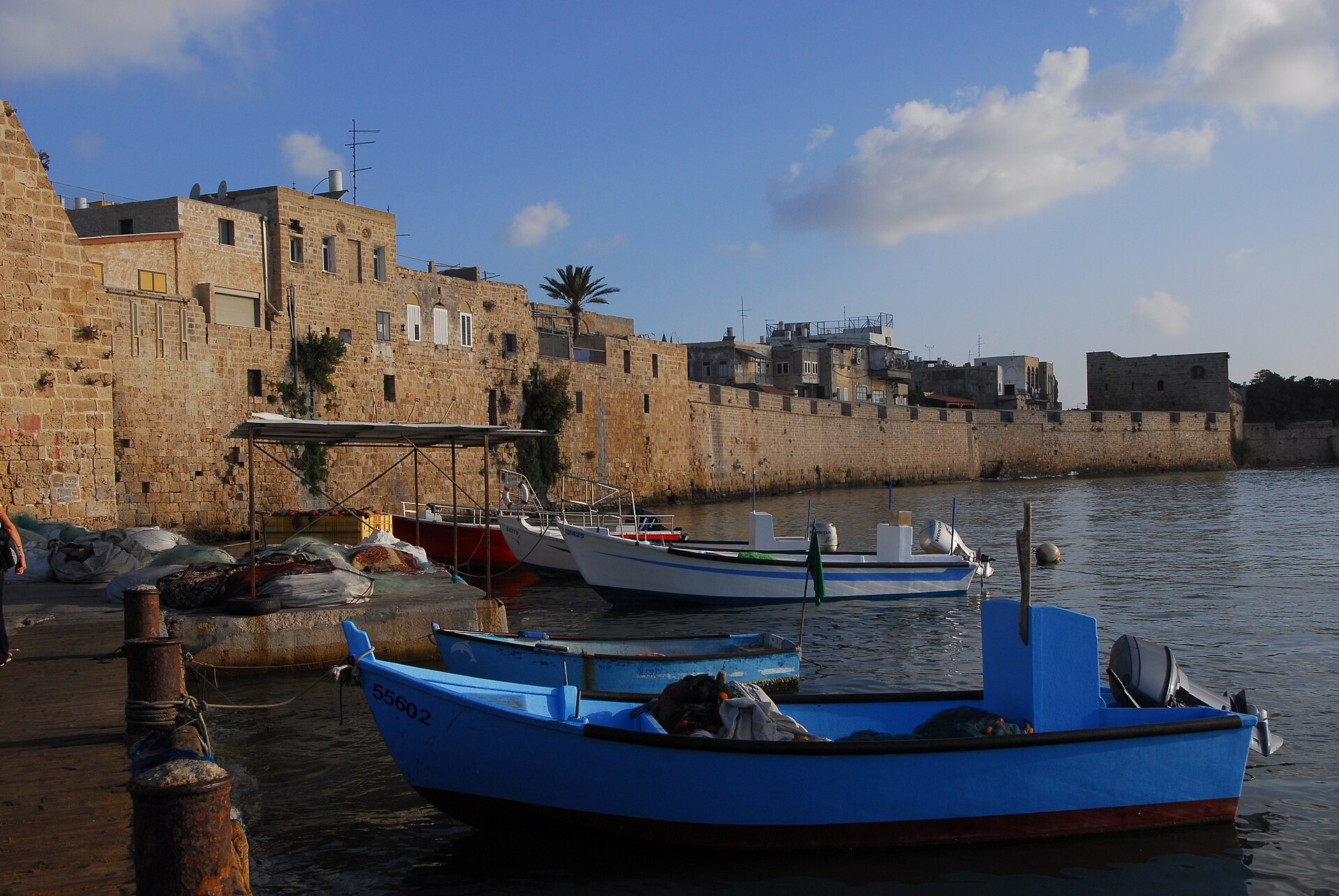
Choose a public landward viewpoint, continue through the Ottoman streets, and finish at the waterfront. This sequence allows a guide to move from the problem of an attacking army to the life of the city it sought to take. A map is especially useful: street-level views cannot show every relationship at once.
Check which wall paths and viewpoints are open. Stay on authorised routes, and do not assume that a visible stairway or rampart is a visitor entrance. Build in shade and a seated stop; a thoughtful military-history discussion does not require hours of exposed walking.
If you also want a religious interior, such as al-Jazzar Mosque, arrange it explicitly and respect worship and access conditions. It adds Ottoman context but is not necessary to complete the proposed siege walk.
Explore this story with a guide
Our related excursions project offers Napoleon’s Failed Siege: a Private Acre History Walk. Read the proposed route, choose your starting city and request an English-language private visit. Guiding, transport and access are confirmed individually.
Sources and further reading
- Ann E. Killebrew and Jane C. Skinner — Napoleon’s Hill and the 1799 Siege. Archaeological-project presentation of research using period maps and eyewitness accounts.
- Old Akko Development Company — The Walls Route. Official interpretation of the defensive landscape and post-siege rebuilding.
- UNESCO World Heritage Centre — Old City of Acre. The relationship between the Crusader remains and Ottoman town.
Historical sources establish the background; current opening and access arrangements must be checked with the site operator. Photographs have their own licences, recorded alongside each image and in the photo-credit register.