
The story of this place
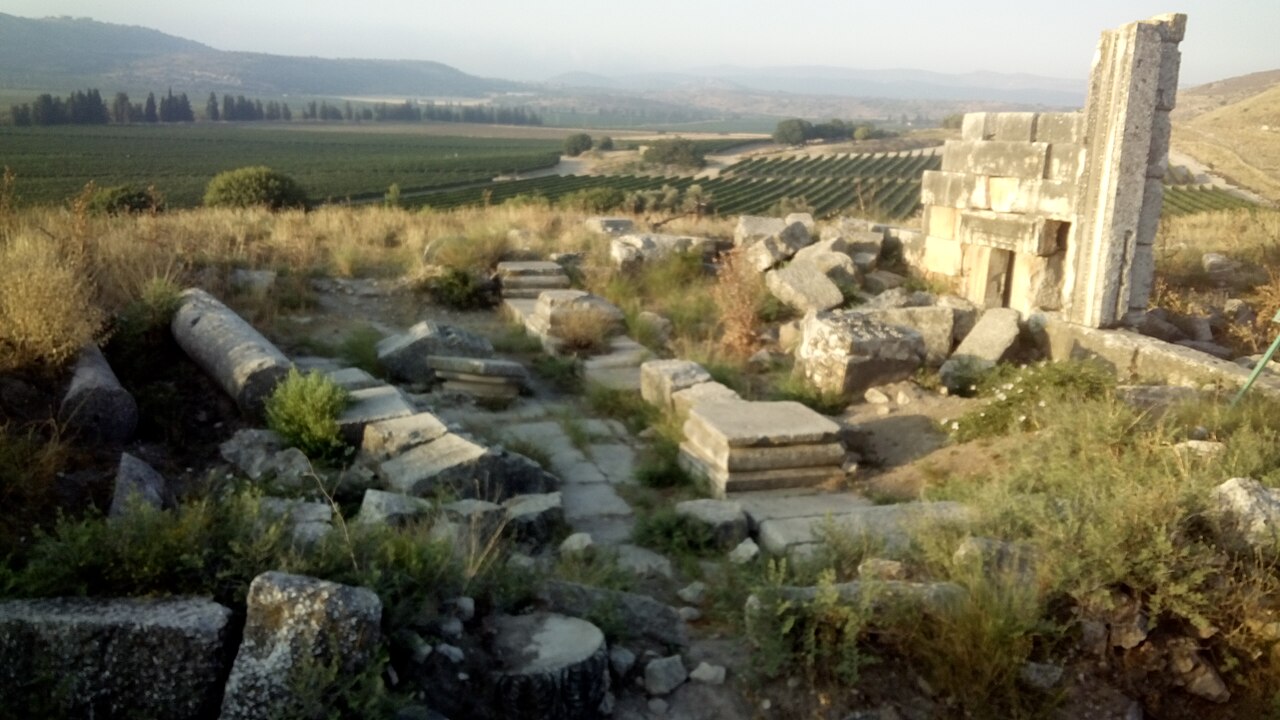
The site appears in biblical traditions and developed through successive periods of occupation. Archaeological work has revealed administrative activity and substantial later structures, including Roman-period remains. The modern historical landscape includes Qadas, a Palestinian village depopulated in 1948; that chapter should not be confused with or erased by the ancient name.
What to notice
Use a current site plan to distinguish the mound from other remains nearby. A temple, administrative building and funerary features need different explanations and may not all belong to a single accessible circuit. The location near the northern border also forms part of the practical context.
Planning a visit
Check current regional access and the suitability of the approach before departure. Do not assume that an archaeological listing means a staffed visitor attraction. This is best chosen for a focused interest in Upper Galilee history, with a simpler alternative available if conditions or access change.
Continue exploring
These places offer a geographical or historical connection. They are reading suggestions, not a pre-checked one-day route.
Sources & further reading
Editorial review: 20 November 2026. This is a researched introduction, not a report of an on-site inspection. Historical sources do not confirm current opening or access; check with the responsible operator before travelling.