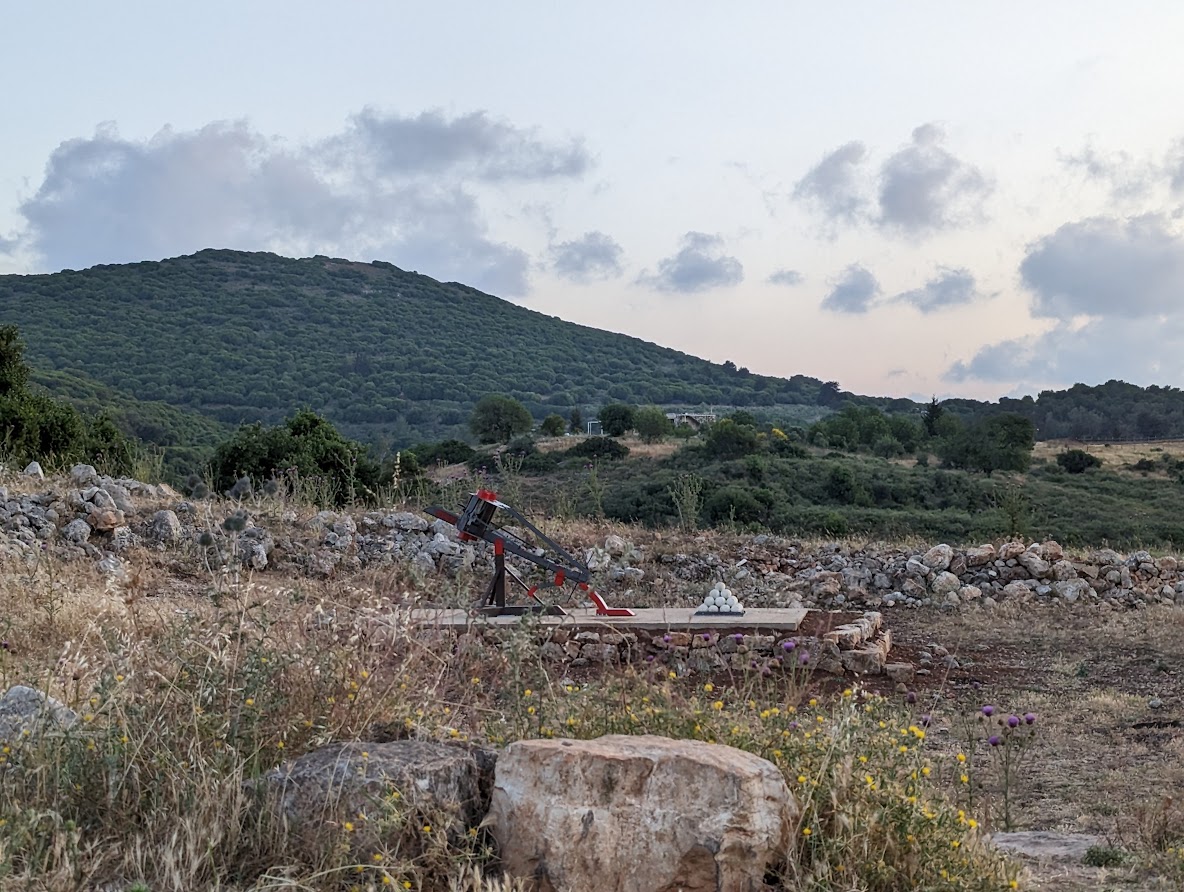

The story of this place
The ancient town is closely associated with the Roman siege of 67 CE and with Josephus, who commanded its defence before becoming a historian of the war. His account is an essential source but remains a literary narrative to compare with archaeological evidence. The ruins occupy a landscape that helps explain the difficulty of defence.
What to notice
Look at the slopes, possible approaches and surviving features of settlement rather than expecting a reconstructed town. The surrounding terrain makes the scale of a siege more understandable. Subtle remains benefit from a map or knowledgeable guide, particularly if this is your first archaeological mound.
Planning a visit
Navigate specifically to the ancient site and check the marked walking route. The modern village is not the excavation entrance. Prepare for exposed uneven ground and choose a route that leaves enough energy for the return. Sepphoris offers a valuable contrast in the same broader Galilean region.
Continue exploring
These places offer a geographical or historical connection. They are reading suggestions, not a pre-checked one-day route.
Sources & further reading
Editorial review: 20 November 2026. This is a researched introduction, not a report of an on-site inspection. Historical sources do not confirm current opening or access; check with the responsible operator before travelling.