
The story of this place
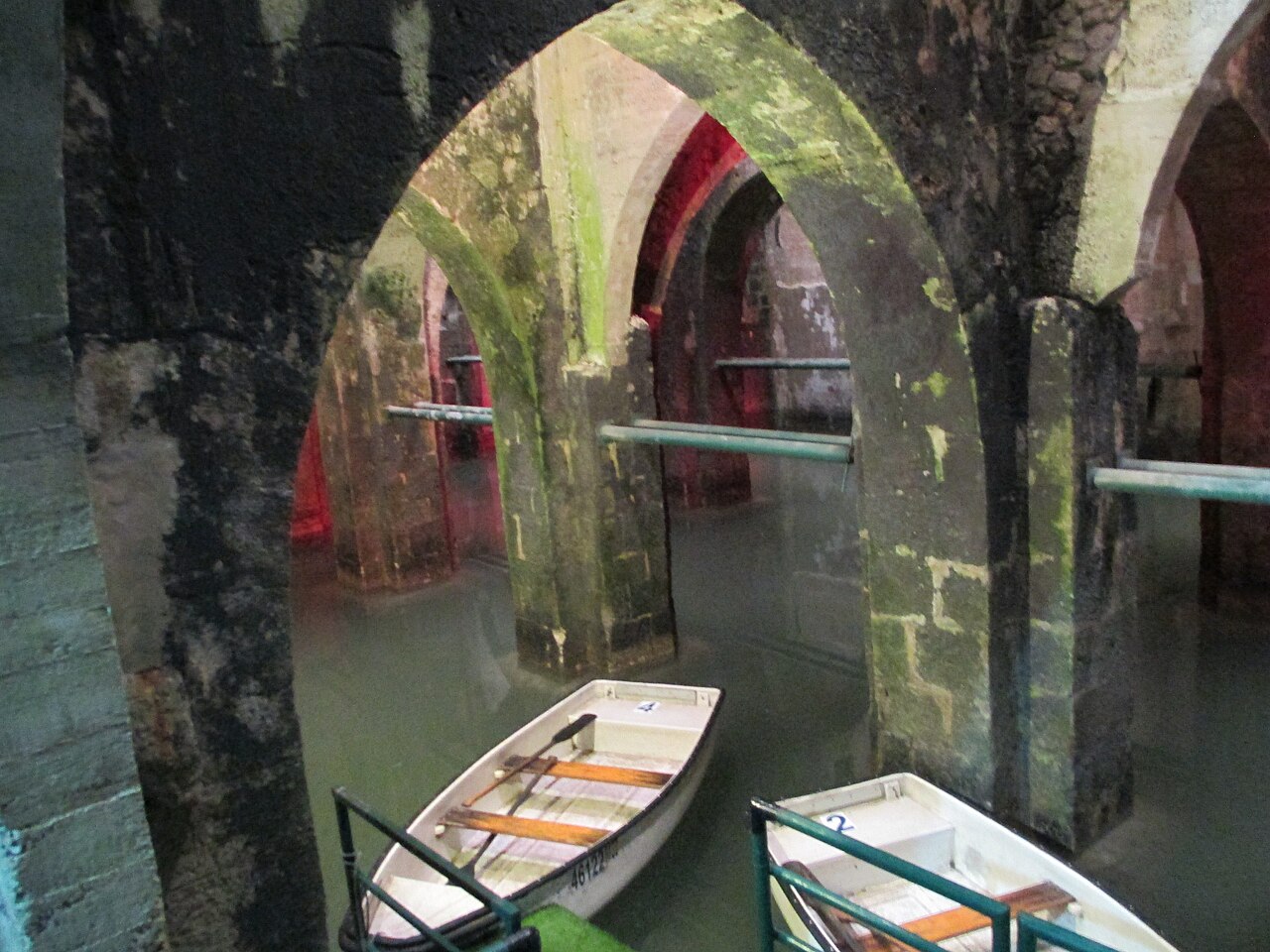
Completed in the eighth century, the reservoir belongs to the Abbasid period. Its vaulted structure demonstrates the importance of dependable water storage in a growing city. The familiar visitor experience of small boats belongs to the site's modern interpretation; the original purpose was infrastructure, not leisure.
What to notice
The repeated arches and supports make the structural system visible from a low viewpoint. Look at the relationship between columns, vaults and the enclosed water surface. The reservoir complements Ramla's mosque sites by explaining a practical requirement behind urban and religious life.
Planning a visit
Check whether boat access is operating and whether it is suitable for your party. Reaching an underground chamber and entering a small boat present different access challenges. Do not assume that a general description of the attraction guarantees step-free entry or independent access for every traveller.
Continue exploring
These places offer a geographical or historical connection. They are reading suggestions, not a pre-checked one-day route.
Sources & further reading
Editorial review: 20 November 2026. This is a researched introduction, not a report of an on-site inspection. Historical sources do not confirm current opening or access; check with the responsible operator before travelling.