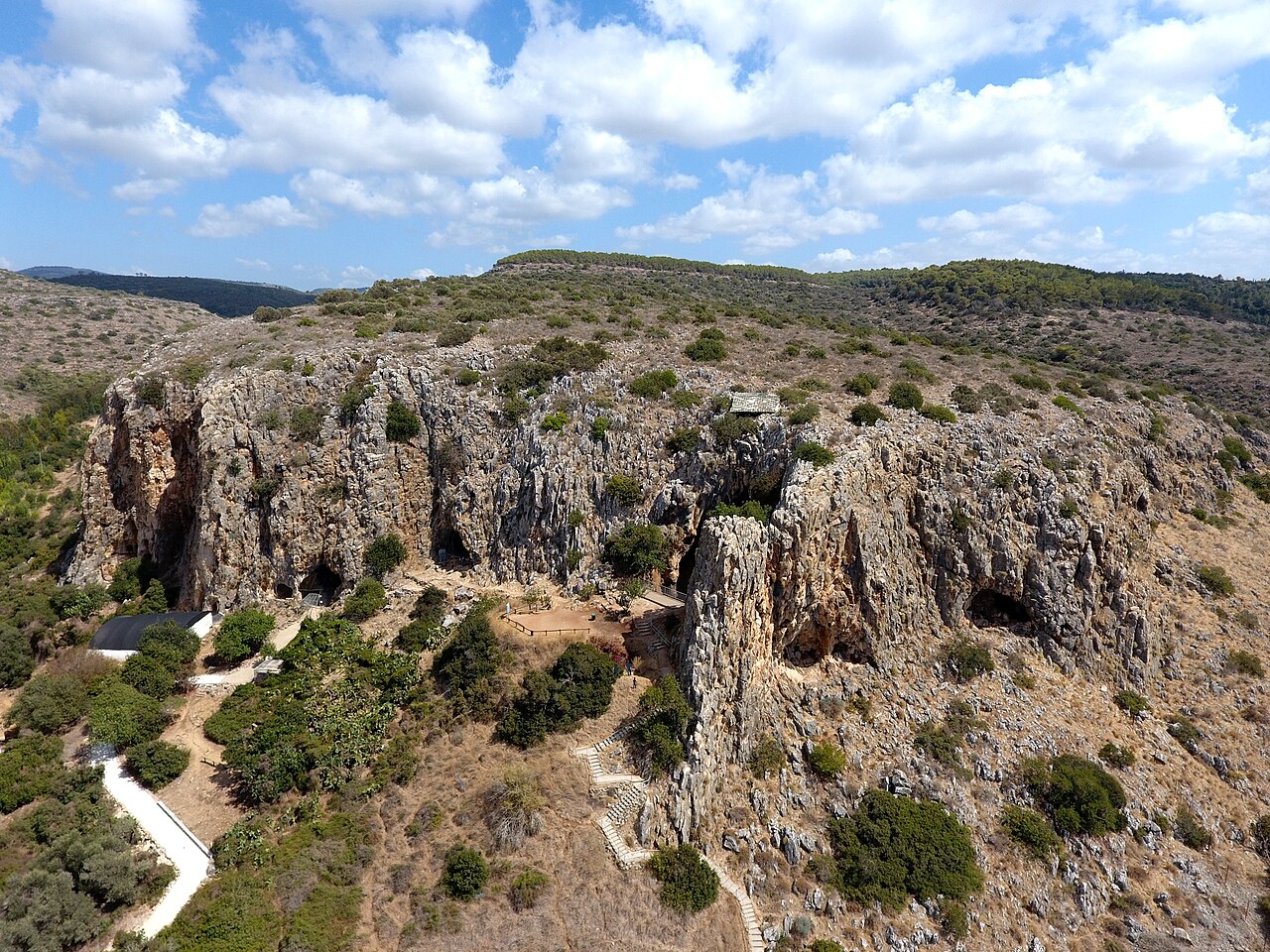

The story of this place
The UNESCO-listed cave group preserves evidence of prehistoric occupation, burial and changing human behaviour. Its importance comes from archaeological sequences built through careful excavation, not from a single spectacular monument. Different caves contributed different evidence, and not all are necessarily part of the same visitor route.
What to notice
Pay attention to how archaeologists reconstruct environments and activities from tools, bones and layers of sediment. A cave's shape alone cannot tell that story. Interpretation helps connect the landscape to the long development of human communities and their changing ways of life.
Planning a visit
Check which cave route and interpretive facilities are operating before departure. Steps, slopes and enclosed spaces can affect suitability. This makes a thoughtful contrast with coastal cities such as Dor or Caesarea: one day can span very different periods without pretending that their inhabitants belonged to the same historical world.
Continue exploring
These places offer a geographical or historical connection. They are reading suggestions, not a pre-checked one-day route.
Sources & further reading
- Israel Nature and Parks Authority — site information
- UNESCO World Heritage Centre — heritage record
- Wikipedia — Nahal Me'arot Nature Reserve
Editorial review: 20 November 2026. This is a researched introduction, not a report of an on-site inspection. Historical sources do not confirm current opening or access; check with the responsible operator before travelling.