
The story of this place
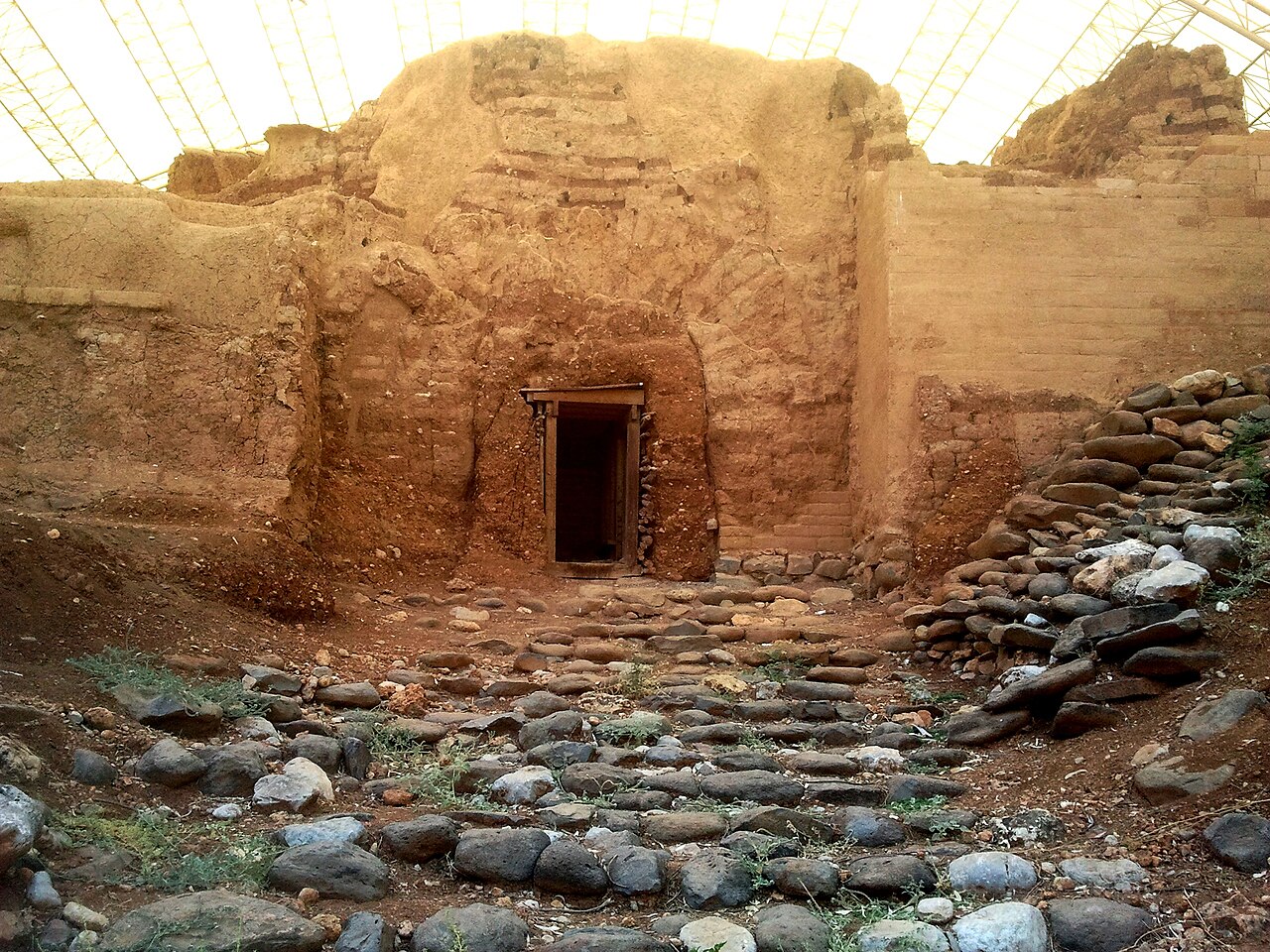
The ancient city, also known as Laish, occupied a strategic northern position and became a significant religious centre in the kingdom of Israel. Excavations revealed monumental gateways and a cult area. The famous Tel Dan inscription is an archaeological find associated with the site, not an object visitors should assume is displayed outdoors here.
What to notice
Compare the mudbrick gateway with later stone-built defences, then examine the sanctuary area. Their different materials and plans reveal successive ways of controlling and organising the city. The surrounding streams help explain why this location supported settlement over long periods.
Planning a visit
Choose a route that includes the antiquities as well as the water landscape. Some nature paths and archaeological sections have different surfaces or access conditions. Check current northern-area and reserve notices before travelling, and keep a second plan in case a particular section is unavailable.
Continue exploring
These places offer a geographical or historical connection. They are reading suggestions, not a pre-checked one-day route.
Sources & further reading
Editorial review: 20 November 2026. This is a researched introduction, not a report of an on-site inspection. Historical sources do not confirm current opening or access; check with the responsible operator before travelling.