
The story of this place
The city appears in ancient Egyptian sources and biblical traditions and underwent repeated building and destruction. Its location made it valuable for controlling movement between different landscapes. Archaeological discussion continues over the dates and interpretation of some major structures, so an attribution to a famous king should be read critically.
What to notice
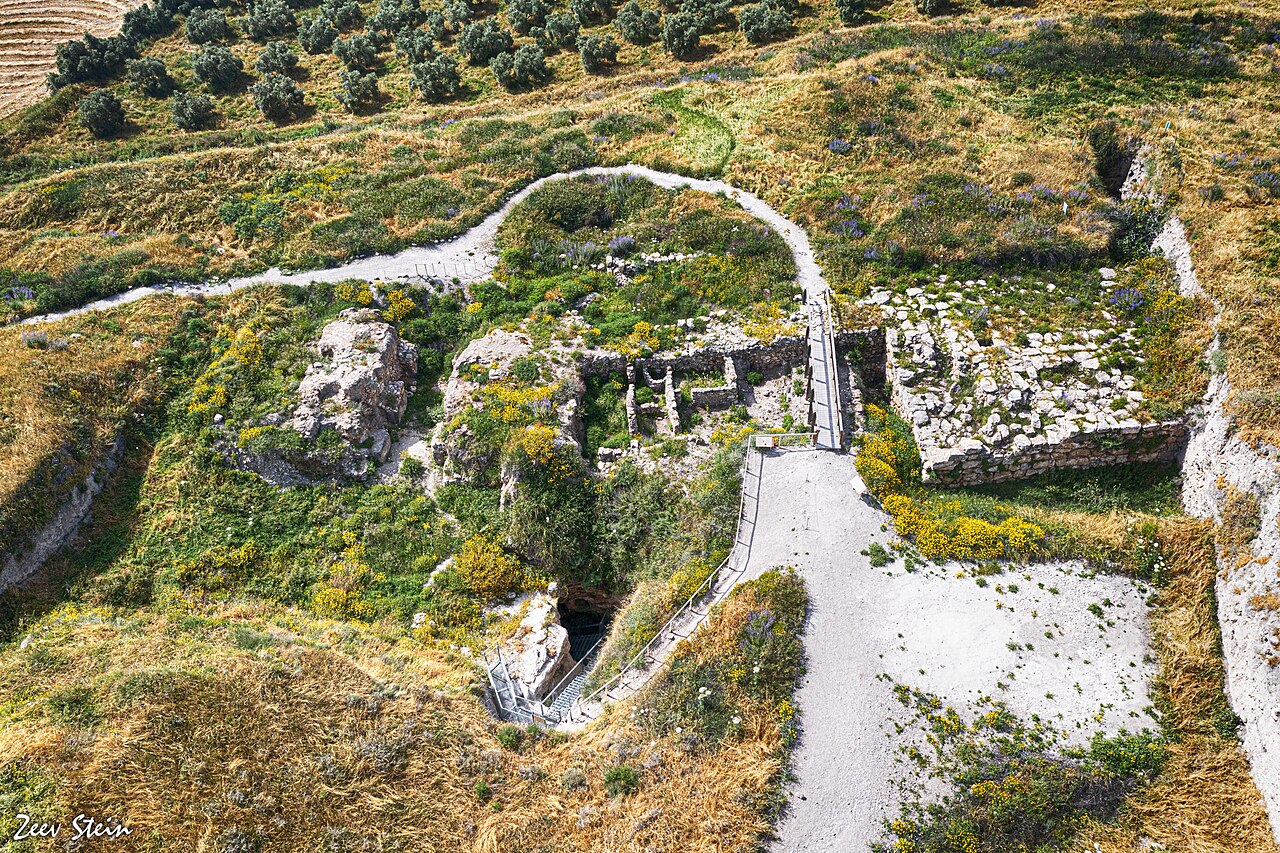
The standing stones, fortification remains and water system represent different kinds of activity. Look for the relationship between the mound and the routes below it. The landscape can explain the city's importance even where individual buildings survive only as foundations.
Planning a visit
Check the current approach road and which parts of the water system can be entered. The mound is not an indoor museum, and rough ground, exposure and limited visitor services affect planning. Combine it with another nearby foothill site only after allowing for the actual road connections.
Continue exploring
These places offer a geographical or historical connection. They are reading suggestions, not a pre-checked one-day route.
Sources & further reading
Editorial review: 20 November 2026. This is a researched introduction, not a report of an on-site inspection. Historical sources do not confirm current opening or access; check with the responsible operator before travelling.