
The story of this place
Maresha and Beit Guvrin developed in different periods, and their remains form a landscape rather than a single compact monument. Underground spaces served practical, funerary and industrial purposes. The later town also preserves Roman and medieval structures above ground, so the celebrated caves are only part of the story.
What to notice
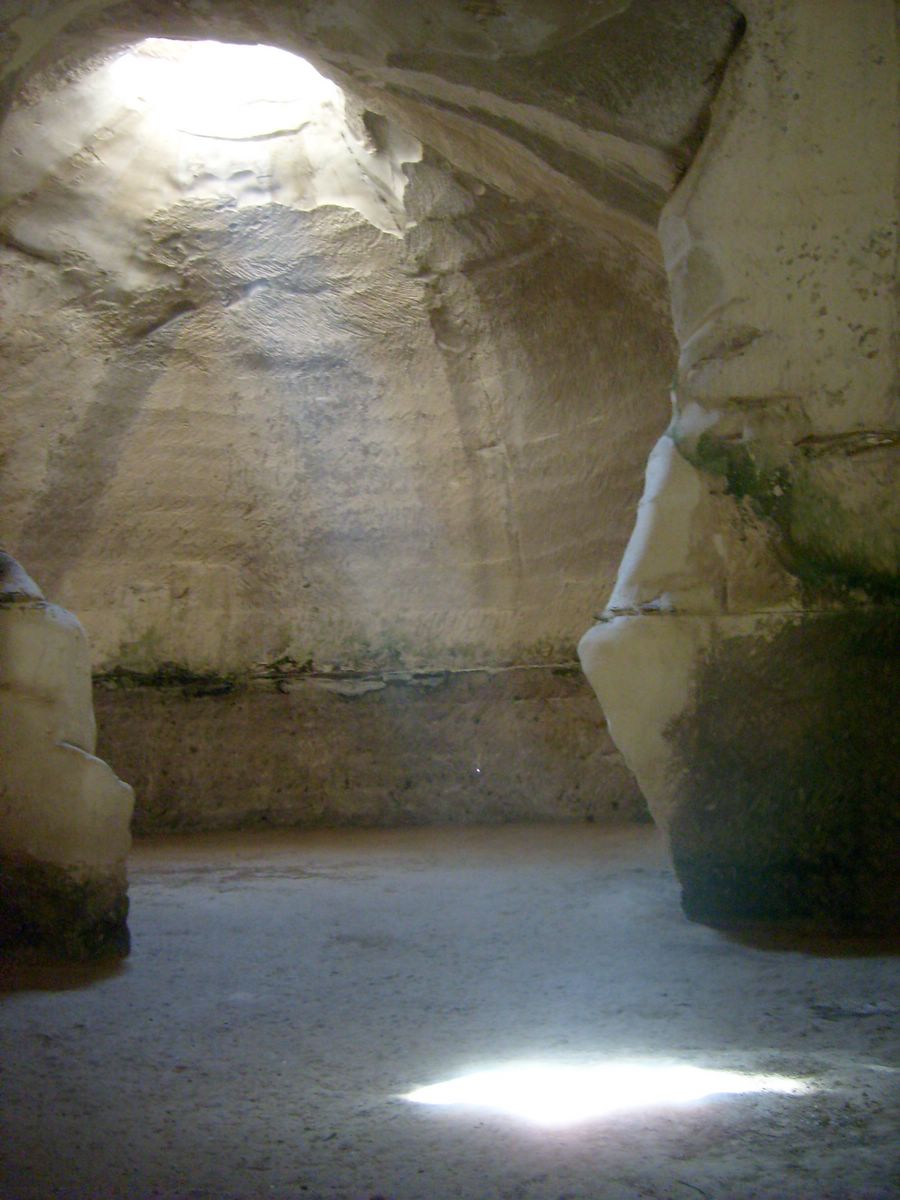
Look for the differences between bell-shaped quarry chambers, columbaria and decorated burial spaces. Their shapes follow their uses. An amphitheatre belongs to another phase of the wider site and should not be confused with a theatre or assumed to stand beside every cave entrance.
Planning a visit
Plan a sequence using the park's current map, since several areas have separate approaches. Underground passages can include steps, low openings and uneven floors. Ask which sections suit your group's mobility and comfort in enclosed spaces, and allow time above ground between the cave visits.
Continue exploring
These places offer a geographical or historical connection. They are reading suggestions, not a pre-checked one-day route.
Sources & further reading
Editorial review: 20 November 2026. This is a researched introduction, not a report of an on-site inspection. Historical sources do not confirm current opening or access; check with the responsible operator before travelling.