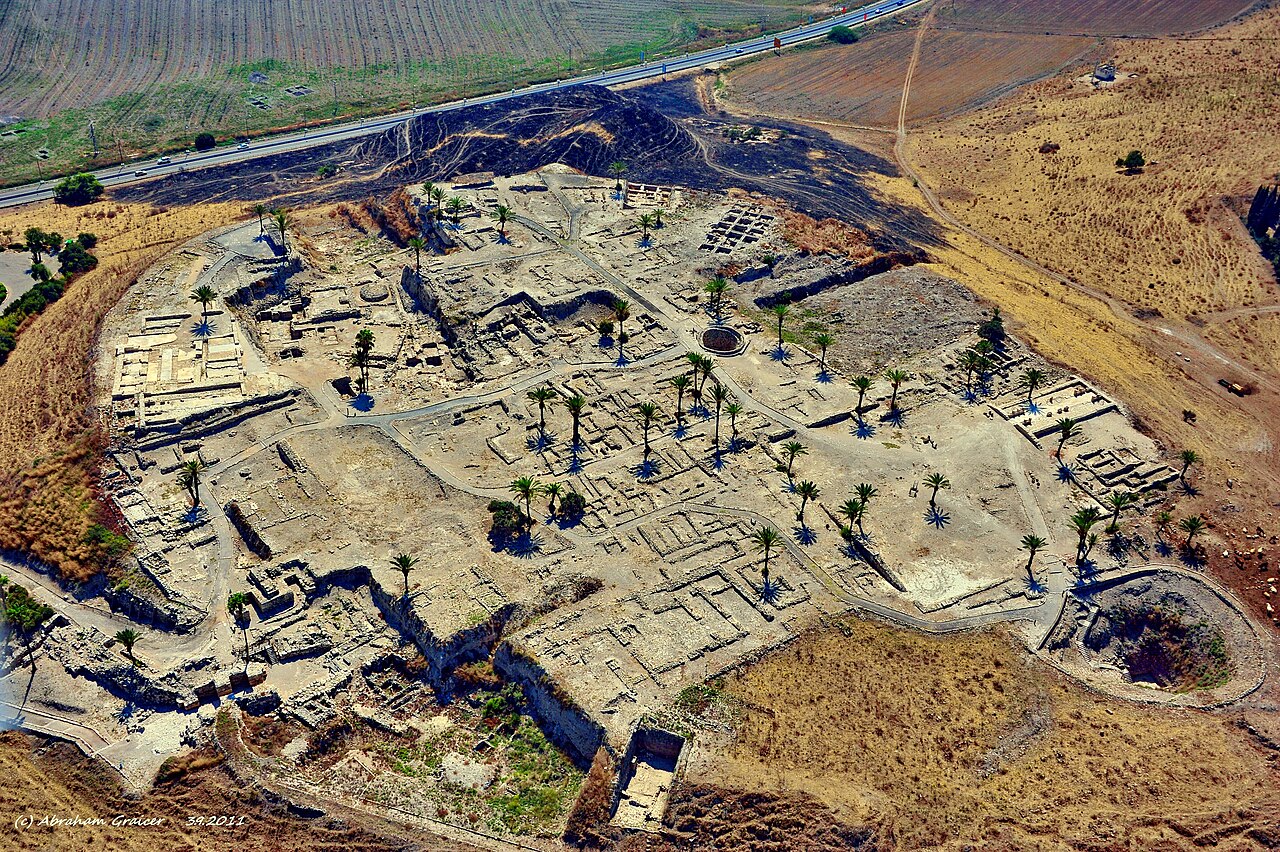

The story of this place
Repeated settlement created a mound containing many layers of occupation. Its position above routes through the Jezreel Valley made it valuable to rulers, traders and armies. The site's association with Armageddon belongs to the later interpretation of Revelation; it does not replace the archaeological story of Canaanite and Israelite urban life.
What to notice
Gates, cult areas, substantial buildings and the water system expose different aspects of a fortified city. Read the signs for their proposed dates before mentally combining them into one street scene. Some famous building identifications have changed as research developed, which makes the history of excavation part of the visit.
Planning a visit
The mound involves exposed walking and changes of level. Confirm whether the water-system route is open and suitable for your group before relying on it. For a focused archaeological day, choose Megiddo and one complementary site rather than combining every biblical tell in a single itinerary.
Continue exploring
These places offer a geographical or historical connection. They are reading suggestions, not a pre-checked one-day route.
Sources & further reading
- Israel Nature and Parks Authority — site information
- UNESCO World Heritage Centre — heritage record
- Wikipedia — Tel Megiddo
Editorial review: 20 November 2026. This is a researched introduction, not a report of an on-site inspection. Historical sources do not confirm current opening or access; check with the responsible operator before travelling.