

Choose the correct destination
The national park, modern residential area and aqueduct area are different places. Start with the attraction and entrance you actually want. Otherwise, time intended for exploring can disappear into journeys between points labelled with the same town name.
Read the park as a city
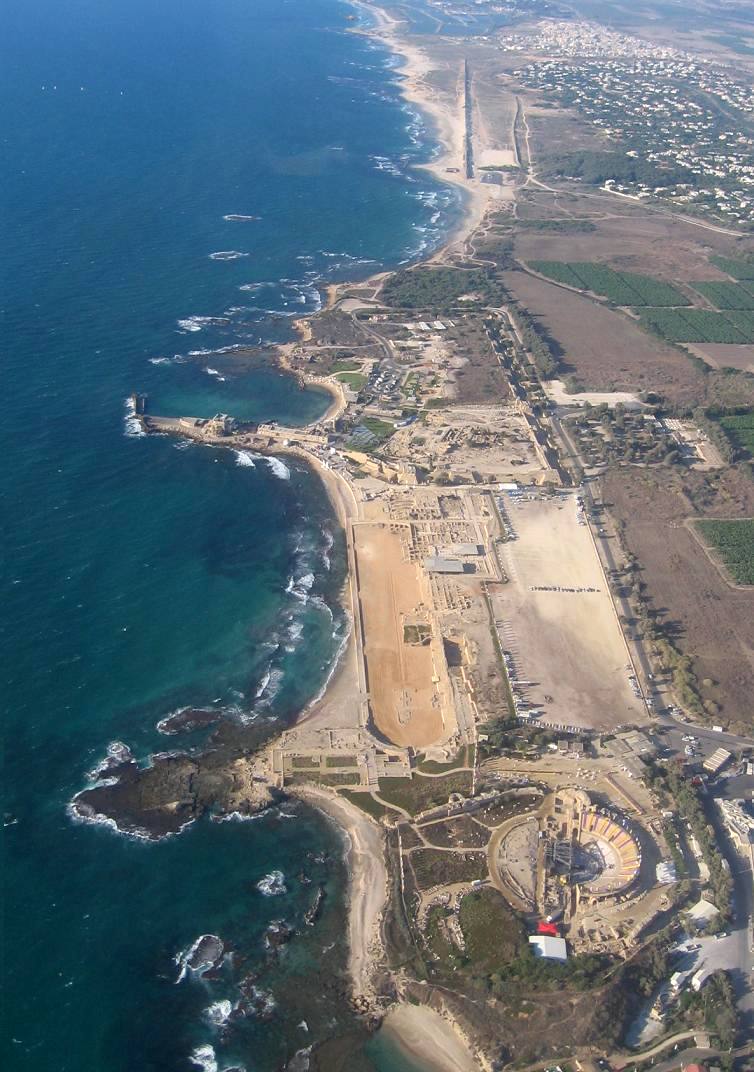
Choose a few connected themes: the theatre, public spaces and harbour. A guide can explain how they functioned together rather than treating the remains as isolated monuments. If you explore independently, allow time for information panels and a wider view of the site.
Prepare for open-air walking
Much of the experience takes place outdoors. Plan water, a hat and breaks. Coastal wind changes how the weather feels, but does not remove the need to prepare for sun. Stay on permitted paths and do not climb structures for a better view.
Add one sensible coastal stop
Caesarea can form part of a journey between Tel Aviv and Haifa. If you plan another historical town afterwards, reduce the number of park visits rather than rushing every one. For families, one substantial visit and free time can be more comfortable than an ambitious coastal checklist.
Tickets and the return journey
Check opening arrangements and admission on the park’s official website. Book transport to the chosen entrance and agree waiting or a later pickup. An additional stop at the aqueduct is not automatically part of a straightforward transfer to Caesarea.
A different way to understand the place
Caesarea: the story of an ancient harbour — Art Voyage. Use the programme as a starting point and discuss language, pace and the visits that matter to you.
Getting there
Camel Taxi: Caesarea transfers. Send the exact pickup and destination, party size and luggage. Stops, waiting and child seats need advance confirmation.
Keep exploring
Sources & visitor information
Wikipedia provides background context. Check the attraction’s own information for access on your travel date. This original planning text is not a Wikipedia article.
The story of this place
Herod enlarged an earlier coastal settlement into a major port named for Augustus. Caesarea later served as a Roman provincial capital and developed important Christian institutions. Islamic and Crusader phases reshaped the town again. The visible remains therefore belong to several cities occupying overlapping ground, rather than a single frozen Roman moment.
What to notice
Compare the theatre and seafront entertainment buildings with the fortified harbour area. Changes in building material, street level and defensive planning help separate the periods. The ancient harbour's underwater remains are not fully visible from the promenade, so a view of the modern shoreline needs historical explanation.
Planning a visit
Plan which park entrances and sections you want to use; the archaeological area is spread along the coast. The aqueduct beach is a separate stop from the principal harbour-and-theatre circuit. Check current access for performances or special activities, and keep time for exposed walking between the main remains.
Continue exploring
These places offer a geographical or historical connection. They are reading suggestions, not a pre-checked one-day route.
Sources & further reading
Editorial review: 20 November 2026. This is a researched introduction, not a report of an on-site inspection. Historical sources do not confirm current opening or access; check with the responsible operator before travelling.