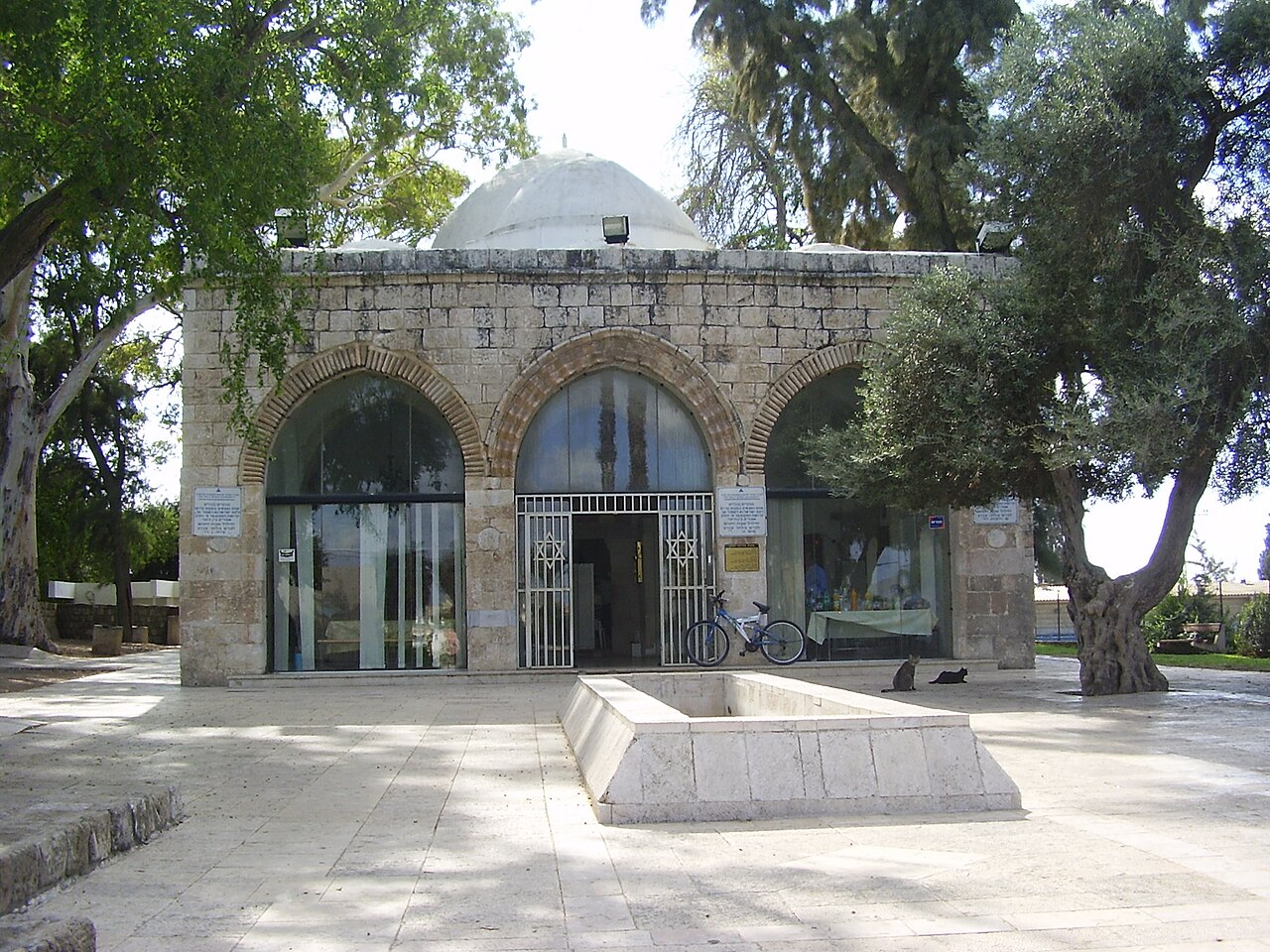

The story of this place
The building is known both as the traditional Tomb of Rabban Gamaliel and as the mausoleum of Abu Hurayra. Its architecture and recorded religious uses belong to a layered history. Neither name should be used to suggest that the other community's association never existed, or that the identity of a burial has been archaeologically settled.
What to notice
Look first at the monument as a built structure: its dome, masonry and setting can be studied independently of the different devotional attributions. Then consider how religious use changes the meaning of an inherited building. The site is a useful example of why a guide should distinguish evidence, tradition and later adaptation.
Planning a visit
Confirm the present visitor arrangements and respect the practices in use. A discussion of historical identifications should be conducted considerately around people praying. It can form part of a central-coastal heritage day, with separate time allowed for the actual visit rather than an assumed roadside stop.
Continue exploring
These places offer a geographical or historical connection. They are reading suggestions, not a pre-checked one-day route.
Sources & further reading
Editorial review: 20 November 2026. This is a researched introduction, not a report of an on-site inspection. Historical sources do not confirm current opening or access; check with the responsible operator before travelling.