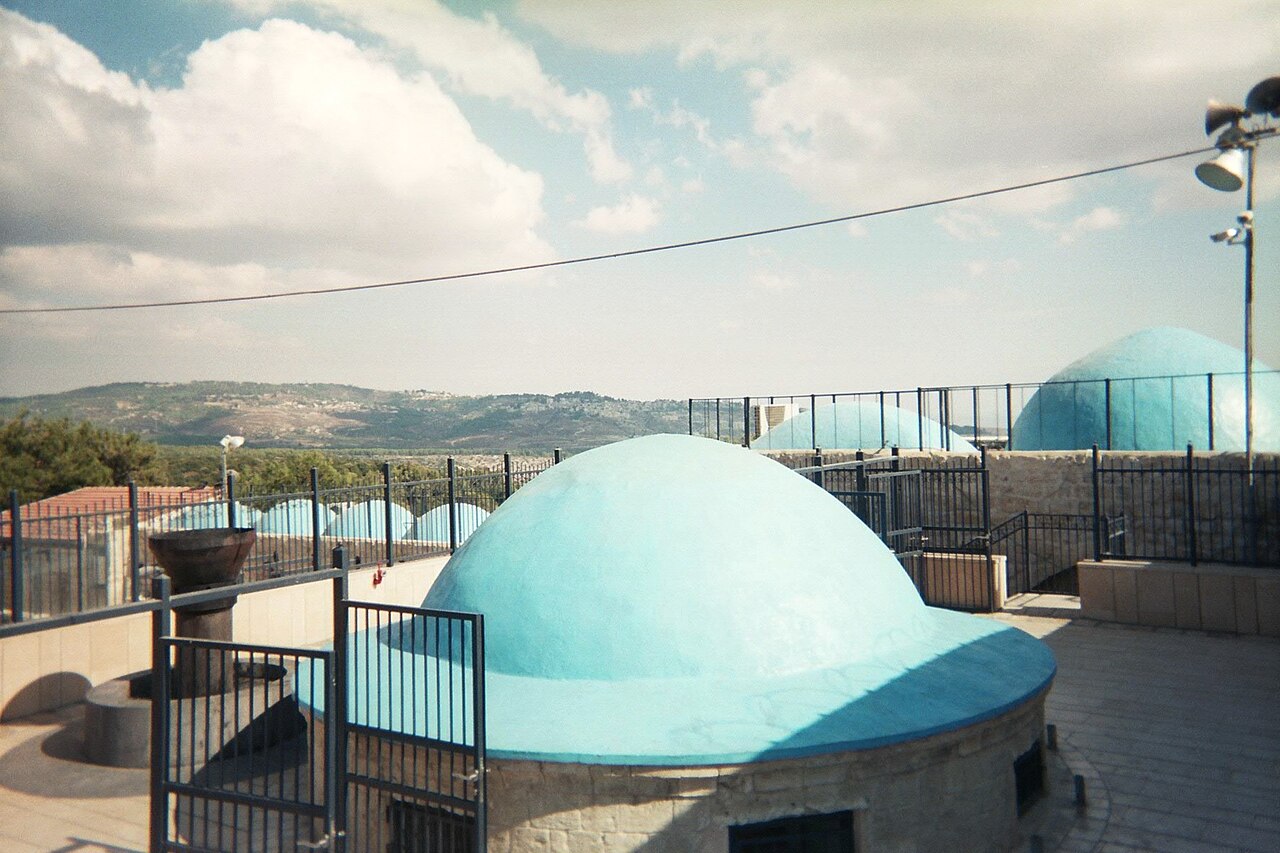

The story of this place
The traditional tomb links a Galilean place with the memory of a second-century sage and with later Kabbalistic devotion. The present complex has developed over centuries of visitation. The history of that devotion is distinct from archaeological proof of the named burial, a distinction that should remain clear in any guide.
What to notice
The shrine is best approached as a functioning place of prayer. Notice how the spaces accommodate individual petitions, study and communal gatherings. Its significance is not measured by the scale of its architecture, and an ordinary-day visit differs greatly from a major pilgrimage occasion.
Planning a visit
Check current arrangements through the official custodians, especially around large gatherings. Do not promise unrestricted access or a routine vehicle drop-off on festival days. A quieter visit can be combined with Safed, allowing the relationship between Galilean scholarship and pilgrimage to be explored at a manageable pace.
Continue exploring
These places offer a geographical or historical connection. They are reading suggestions, not a pre-checked one-day route.
Sources & further reading
Editorial review: 20 November 2026. This is a researched introduction, not a report of an on-site inspection. Historical sources do not confirm current opening or access; check with the responsible operator before travelling.